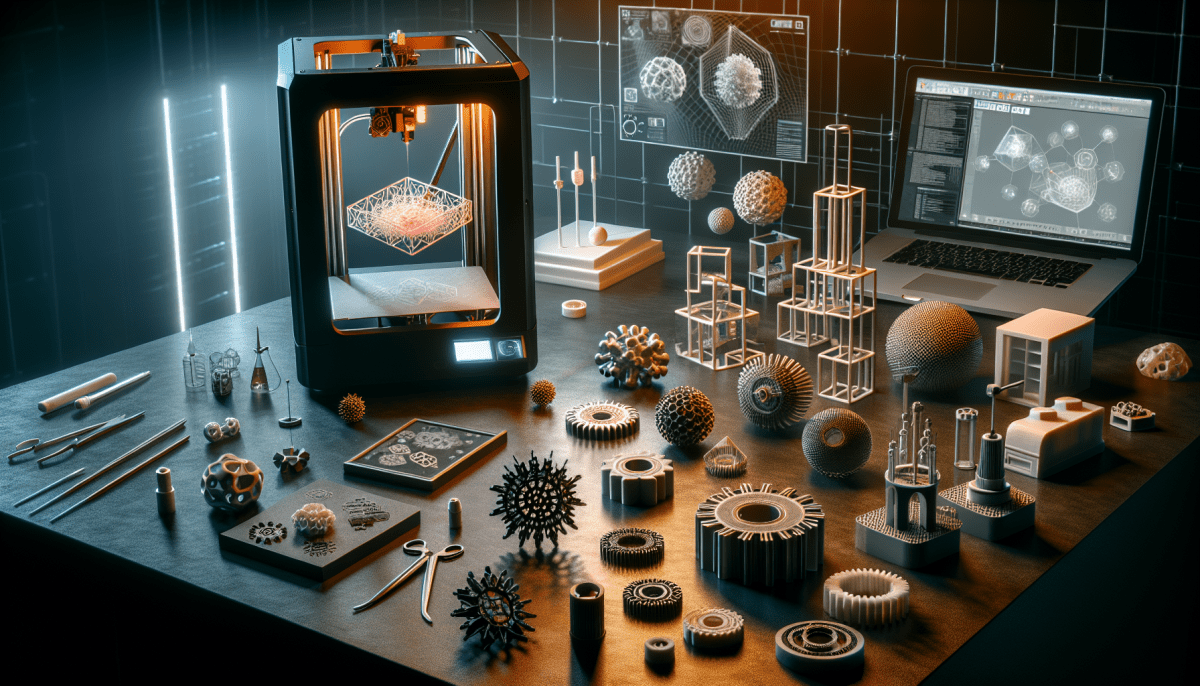
3D printing might sound complicated, but it's actually pretty straightforward. At its core, 3D printing is about turning digital designs into real-life objects. You start with a design, usually made using 3D modeling software or by downloading a ready-made file. This design gets sliced into thin layers by a special software that your 3D printer can understand.
Once your design is ready, it's time to load your printer. Most consumer 3D printers use materials like PLA or ABS plastic. PLA is great for beginners because it’s eco-friendly and easy to work with. ABS is tougher but a bit trickier to print. Don't stress too much about the material choice at first; just pick one that fits your project and printer.
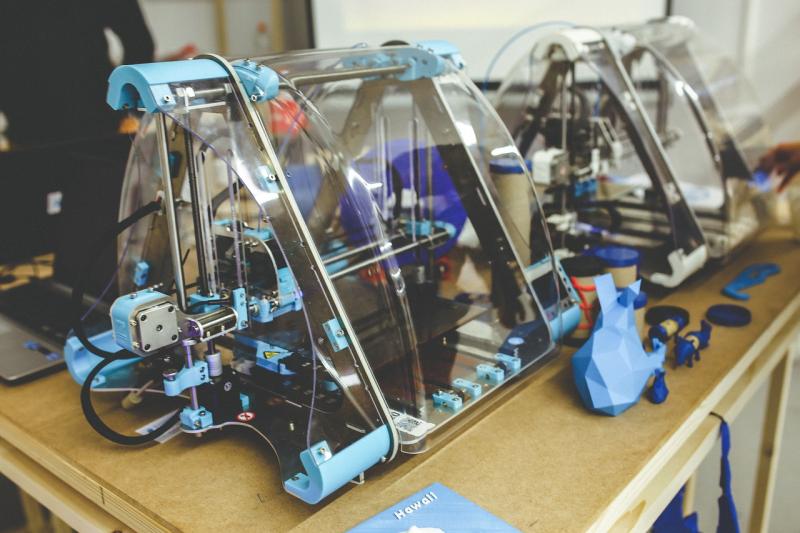
Next, hit that print button and watch the magic happen! The printer heats up and extrudes the material layer by layer, creating your object from the bottom up. Depending on the size and complexity of your item, this can take anywhere from a few minutes to several hours. Keep an eye on it, especially if you're new, just to make sure everything's going smoothly.
Once your print is done, you might need to do a little cleanup. This can involve removing support materials or sanding down rough edges. Some people enjoy this part of the process, as it gives you a chance to refine your creation. And just like that, you’re now holding something that started as a design on your computer!
Choosing Your First 3D Printer
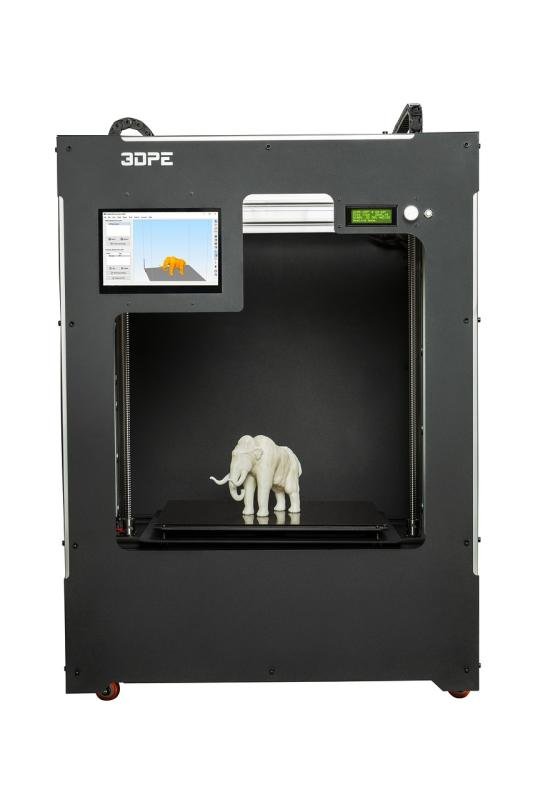
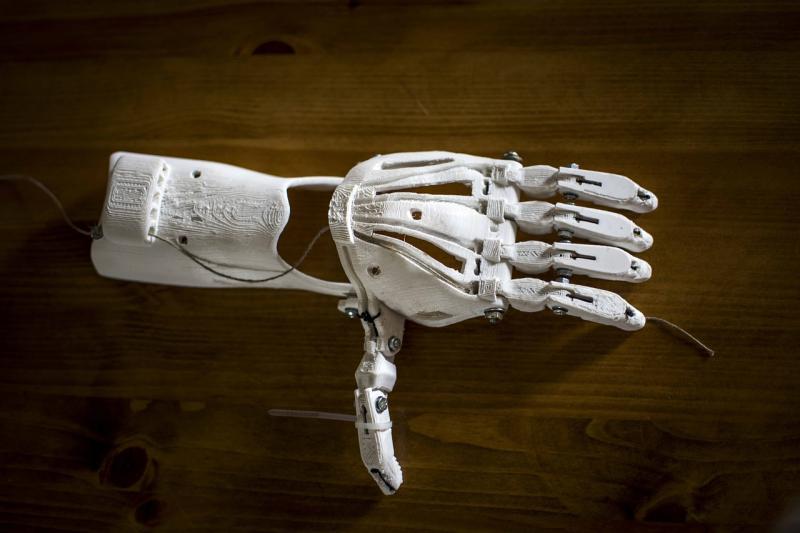
First off, think about what you want to print. Are you aiming to make intricate models, functional parts, or maybe just some fun gadgets? Different printers excel at different things. For example, if you want to create detailed miniatures, look for a printer with high resolution. If you want to whip up durable parts, a sturdier printer with a good build plate will do the trick.
Next, consider your budget. You can find decent entry-level printers starting around $200, but if you can stretch your budget a little, you might get features that make printing a lot easier. Keep in mind the costs of materials as well. Filament prices can add up, so factor that into your overall budget.
It’s also key to look for a printer that’s user-friendly. Many beginner models come with easy-to-follow instructions and have great community support. A printer that’s easy to set up and troubleshoot saves you a ton of headache. Look for features like auto bed leveling and touchscreen controls, which can really boost your experience.
Lastly, check the reviews and see what others are saying. Real user feedback can give you insight into how reliable and effective a printer is. Don’t hesitate to visit forums or communities where people share their experiences and tips. This way, you can dive in feeling confident about your choice.
Essential Materials for 3D Printing
When you start your 3D printing journey, picking the right materials is super important. The two most common types of filament you'll run into are PLA and ABS. They’re great starting points for beginners.
PLA (Polylactic Acid) is your go-to if you want something easy to work with. It’s made from natural materials like cornstarch, so it’s eco-friendly. Plus, it doesn’t give off any nasty fumes while printing. PLA sticks well to the print bed, and you won’t need a heated bed for it. It’s perfect for creating colorful models and decorative pieces.
ABS (Acrylonitrile Butadiene Styrene) is strong and durable, making it a popular choice for functional parts. It can handle some heat, which makes it ideal for items that might get knocked around or used regularly. Just keep in mind, it does smell a bit while printing, so good ventilation is a must.
Besides filaments, don’t forget about other materials like PETG, which combines the best of PLA and ABS. It's strong, flexible, and doesn't warp much. There’s also resin for those into detailed miniatures or intricate designs—it offers a totally different printing experience and can produce stunning results.
Your choice of material can affect the final look and feel of your prints. So, consider what you want to make and choose wisely. It’s all about finding what works best for you and your 3D printer! Get ready to have fun and experiment with different materials!
Getting the Most Out of Your Prints
First off, pay attention to your printer settings. Every printer is a little different, and finding the right temperature, speed, and layer height for your material is key. Don’t be afraid to experiment! Take some test prints to find what works best for your specific machine and filament.
Next, keep your workspace clean and organized. A tidy area helps prevent dust or debris from messing up your prints. Be sure to regularly clean the print bed and check for any leftover filament. This small step can save you from a big headache later!
Also, consider using supports if your design has overhangs or intricate details. They can make a huge difference in the final product. Printing with supports can seem tricky at first, but once you get the hang of it, you'll be glad you did.
Lastly, try different filaments. PLA is great for beginners, but exploring other materials like PETG or ABS can open up a whole new world of possibilities. Each type of filament behaves differently, so testing them can help you find your favorites and expand your printing skills.